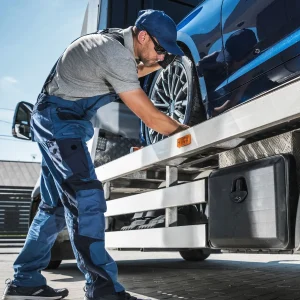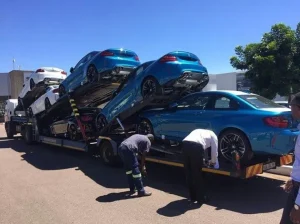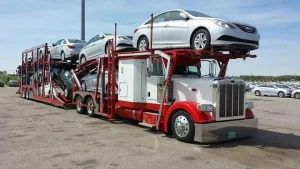

State-to-State Auto Transport provides a convenient solution for shipping vehicles between different U.S. states. Whether you're relocating for work, purchasing a vehicle from another state, moving for school, or arranging seasonal transportation, Vehicle Shippings Logistics helps you explore practical interstate car shipping options. Choose from open and enclosed transport methods based on your vehicle, budget, and transportation needs.
Moving a vehicle between states can involve considerable time, travel expenses, and logistical planning.
Driving hundreds or thousands of miles may require overnight accommodations, fuel expenses, meals, and additional vehicle maintenance. For many customers, arranging professional auto transportation is a practical alternative.
Vehicle Shippings Logistics offers state-to-state auto transport options designed to help customers simplify long-distance vehicle relocation.
Whether you’re moving from California to Texas, relocating from Arizona to Florida, purchasing a vehicle in another state, or sending a car to a family member, interstate auto transport can help reduce the challenges associated with long-distance driving.
Our goal is to make vehicle shipping more manageable by helping customers understand available transport methods, scheduling considerations, and the steps involved in moving a car across state lines.
State-to-state auto transport is the process of shipping a vehicle from one U.S. state to another using specialized vehicle transportation equipment.
Vehicles are commonly transported on open-air or enclosed carriers, depending on the customer’s preferences and the vehicle’s requirements.
Interstate shipping can accommodate a variety of transportation distances, from neighboring states to cross-country routes.
For example, customers may need to ship a vehicle from California to Nevada, California to Texas, or California to New York.
The transportation process generally includes requesting a quote, scheduling pickup, preparing the vehicle, arranging carrier transportation, and completing delivery at the destination.
Actual shipping availability and timelines depend on the route, carrier capacity, and operational conditions.
One of the main benefits of state-to-state auto transport is avoiding a lengthy drive.
Long-distance road trips can take several days and require careful planning. Shipping your vehicle allows you to travel separately while the vehicle is transported to its destination.
Another benefit is reducing additional mileage. Driving across multiple states increases odometer readings and contributes to tire wear and general vehicle use.
Auto transport can also be useful when a customer needs to move more than one vehicle or cannot personally drive a vehicle to its destination.
For families relocating to another state, vehicle shipping may simplify moving arrangements.
Interstate transportation is also useful for customers buying vehicles from distant dealerships or online marketplaces.
By arranging transportation, buyers can avoid the inconvenience of traveling to collect the vehicle themselves.
Customers arranging interstate shipping can choose between open and enclosed transport based on availability and their vehicle’s needs.
Open car transport is generally the more affordable option. Vehicles are loaded onto open-air trailers that commonly carry multiple automobiles.
This method is suitable for many everyday vehicles, including sedans, SUVs, crossovers, and pickup trucks.
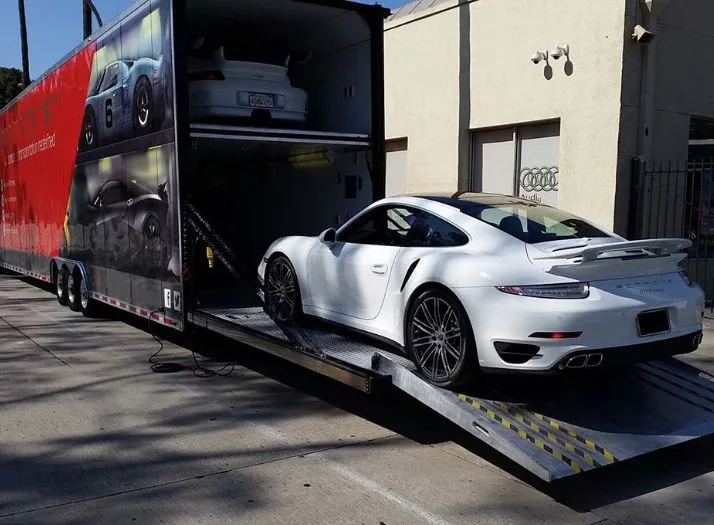
Enclosed auto transport provides additional protection from outdoor conditions by transporting vehicles inside covered trailers.
It is frequently selected for luxury vehicles, classic cars, collector automobiles, and specialty vehicles.
Because enclosed carriers often accommodate fewer vehicles and may require specialized equipment, enclosed shipping generally costs more than open transportation.
Choosing the right option depends on your budget, vehicle value, protection preferences, and shipping requirements.
The first step is providing the shipment details.
Customers typically need to share the vehicle’s make, model, year, operating condition, pickup ZIP code, destination ZIP code, and preferred shipping dates.
After receiving a quote and reviewing the transportation arrangements, the customer can proceed with scheduling.
Before pickup, the vehicle should be cleaned, personal belongings should be removed, and its existing condition should be documented.
At pickup, the driver normally completes a vehicle inspection and records the condition on the appropriate transportation paperwork.
The vehicle is then loaded and transported along the assigned route.
Long-distance shipping schedules depend on travel distance, traffic conditions, weather, carrier stops, and applicable driving regulations.
As delivery approaches, the customer or designated recipient coordinates the handover.
The vehicle should be inspected again upon arrival, and any differences from the pickup inspection should be documented.
Interstate car shipping times vary significantly based on the distance and route.
Transportation between neighboring states may take only a few days after pickup.
Longer interstate routes can require several days to more than a week, while some cross-country shipments may take approximately one to two weeks after pickup.
These timeframes are general estimates rather than guaranteed delivery commitments.
Pickup scheduling and transit time are separate considerations. Customers should account for both when planning their shipment.
Weather conditions, traffic congestion, road restrictions, and carrier scheduling may affect the final delivery date.
If your vehicle must arrive by a particular date, discuss your requirements before confirming transportation.
Several factors determine the cost of state-to-state vehicle shipping.
Transportation distance is a major consideration, but route popularity also matters.
Shipping between major metropolitan areas may provide different carrier availability than shipping to or from remote locations.
Vehicle size and weight influence how much space and capacity the vehicle requires on the trailer.
Seasonal demand can also affect pricing, particularly during busy relocation periods.
Open or enclosed transportation, vehicle condition, pickup accessibility, and delivery requirements may further influence the quote.
For the most accurate estimate, provide complete shipment information and discuss any special requirements in advance.
Vehicle Shippings Logistics is based in San Marino, California, and helps customers explore interstate vehicle transportation options.
We understand that long-distance shipping can raise questions about pricing, scheduling, pickup arrangements, and delivery expectations.
Our approach focuses on making these considerations easier to understand.
Whether you’re moving for a new career opportunity, purchasing a vehicle from another state, or planning a seasonal relocation, we aim to help you select a transportation solution that fits your needs.
Make your next interstate move more convenient with vehicle transportation options tailored to your route and schedule.
Call (626) 888-7859 or contact Vehicle Shippings Logistics online to request a personalized state-to-state car shipping quote.
Find answers to some common questions about car shipping and vehicle transportation.
Car shipping costs depend on several factors, including transportation distance, vehicle size, shipping method, pickup and delivery locations, seasonal demand, and carrier availability. Open transport is generally more economical than enclosed transport. Contact Vehicle Shippings Logistics for a personalized quote based on your shipping requirements.
Shipping times vary depending on distance, route, traffic, weather, and carrier scheduling. Short-distance shipments may take only a few days, while cross-country transportation often requires approximately one to two weeks after pickup. Actual delivery estimates should be confirmed when arranging your shipment.
Both methods serve different needs. Open transport is commonly used for everyday vehicles and offers a cost-effective shipping solution. Enclosed transport provides additional protection from road debris and outdoor weather exposure, making it a popular choice for luxury, classic, exotic, and collectible vehicles.
Yes. Before pickup, clean your vehicle, remove loose personal belongings, photograph its condition, check for fluid leaks, and ensure the battery and tires are in suitable condition. Keep fuel at approximately one-quarter tank unless your transport provider gives different instructions. Inform the shipping coordinator about any mechanical problems or modifications.
Door-to-door auto transport allows you to request pickup and delivery at your preferred addresses. However, large transport trucks may be unable to access narrow streets, restricted neighborhoods, or locations with limited clearance. In those situations, an accessible nearby meeting point may be arranged.