
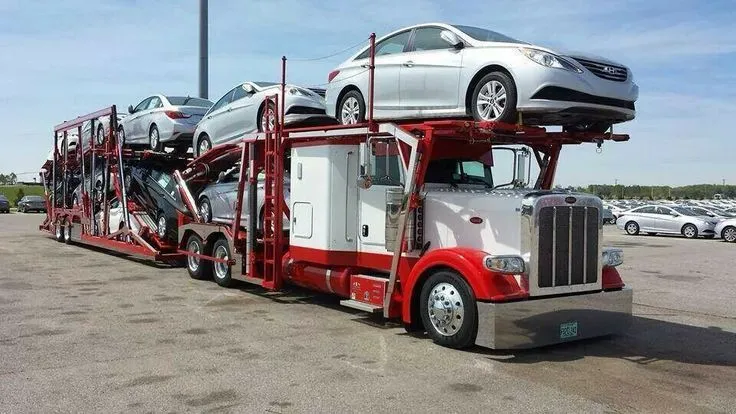
How to Prepare Your Car for Shipping: A Step-by-Step Checklist
Preparing your vehicle properly before shipping can help make the transportation process smoother and reduce avoidable delays.
Whether you’re using open car transport, enclosed shipping, or interstate auto transportation, a few simple preparation steps can help you feel more confident on pickup day.
Vehicle Shippings Logistics has created this practical checklist to help customers get ready for vehicle transportation.
Step 1: Clean Your Vehicle
Before your scheduled pickup, wash the exterior of your vehicle.
A clean surface makes it easier to identify existing scratches, dents, paint chips, and other visible damage during the inspection.
You do not need to arrange professional detailing, but removing excessive dirt and debris can make the inspection process easier.
Cleaning the interior is also helpful, especially if you need to remove loose personal belongings.
Step 2: Take Photographs of Your Vehicle
Photograph your vehicle from several angles before pickup.
Capture the front, rear, both sides, wheels, and any existing scratches or dents.
Take close-up photographs of visible damage and consider recording the odometer reading.
Keep the images in a secure location for reference when the vehicle arrives.
Photographs can be useful when comparing the vehicle’s condition before and after transportation.
Step 3: Remove Personal Belongings
Remove unnecessary personal items from the vehicle before shipping.
This includes luggage, electronics, valuable accessories, important documents, and loose objects.
Transport carriers may restrict personal belongings because of safety, weight, liability, and insurance considerations.
If you are unsure whether an item can remain inside the vehicle, ask the transportation provider before pickup.
Step 4: Check for Mechanical Issues
Inspect the vehicle for obvious mechanical concerns before shipping.
Check for fluid leaks, tire problems, battery issues, and other conditions that could interfere with loading or unloading.
If the vehicle is not running properly, inform the transport coordinator in advance.
Inoperable vehicles may require specialized equipment or additional arrangements.
Providing accurate information can help prevent loading difficulties and unexpected delays.
Step 5: Keep the Fuel Level Low
Many auto transport providers recommend keeping approximately one-quarter tank of fuel in the vehicle.
This is generally sufficient for loading and unloading while avoiding unnecessary weight.
However, always follow the specific fuel-level instructions provided for your shipment.
Do not completely empty the fuel tank unless you receive explicit instructions to do so.
Step 6: Secure or Remove Loose Accessories
Remove detachable accessories that could become loose during transportation.
Examples may include removable roof racks, antennas, bicycle carriers, and other external attachments.
Secure convertible tops, spoilers, and other components as instructed by the carrier.
If your vehicle has aftermarket modifications, notify the transportation provider before scheduling.
Step 7: Disable Alarms and Prepare Keys
Vehicle alarms can cause unnecessary complications during transportation.
Follow your vehicle manufacturer’s instructions for disabling alarms or providing the appropriate access settings.
You should also prepare the keys or electronic key fob needed to operate and move the vehicle.
Confirm how the keys will be handed over during pickup.
Step 8: Review Pickup Information
Before the scheduled pickup, confirm the contact person’s name, phone number, pickup location, and vehicle details.
Make sure the pickup area is accessible to a large transport truck.
If the street is narrow or parking restrictions apply, discuss a suitable nearby meeting point.
Have the required transportation paperwork ready and make sure an authorized person is available for the vehicle handover.
Step 9: Complete the Pickup Inspection
When the driver arrives, inspect the vehicle together and review the condition documentation.
The Bill of Lading or vehicle inspection report should accurately reflect existing damage.
Read the paperwork carefully before signing and retain a copy for your records.
This documentation is important when comparing the vehicle’s condition at delivery.
Step 10: Inspect Your Vehicle at Delivery
When your vehicle arrives, examine it before completing the delivery handover.
Compare its condition with your original photographs and pickup inspection report.
If you notice any new visible damage, document it on the delivery paperwork and notify the appropriate transport representative promptly.
Keep copies of the relevant records and follow the claims procedures specified in your transportation agreement.
Final Thoughts
Proper vehicle preparation is one of the easiest ways to help avoid unnecessary problems during auto transport.
By cleaning your vehicle, documenting its condition, removing personal belongings, and confirming pickup details, you can make the process more organized.
Vehicle Shippings Logistics helps customers explore convenient auto transportation options for different vehicles and shipping distances.
Call (626) 888-7859 to learn more about our vehicle shipping services and request a personalized quote.